When the lights go out in the office, and inboxes finally go quiet, it’s easy to assume the digital world slows down, too. In reality, midnight is when many cyber threats come alive. Hackers know that fewer people are watching, response times are slower, and automated systems often carry the full weight of defense. Understanding what happens after hours can help businesses prepare for the risks that thrive in the dark.
Why Hackers Love the Late Shift
Late nights are prime time for attackers because human oversight drops dramatically. While security software runs, IT teams and employees are usually offline, so that suspicious activity may go unnoticed for hours. Businesses that rely on regional expertise, such as those working with Cybersecurity services in Columbus, often focus heavily on after-hours monitoring because attackers count on fatigue, silence, and delayed reactions to gain an edge.
Automated Attacks Never Sleep

One of the biggest misconceptions about cybercrime is that it requires constant human input. Many attacks are fully automated and designed to scan networks endlessly for weaknesses. After midnight, these bots continue testing login portals, probing outdated software, and attempting credential-stuffing attacks. The lack of real-time human intervention gives automated threats more room to maneuver and sometimes succeed before alarms are addressed.
Ransomware’s Favorite Window
Ransomware operators often schedule their attacks for the quietest hours of the night or early morning. The goal is simple: encrypt systems while no one is actively using them. By the time employees log in, the damage is already done, and panic sets in. Overnight encryption also increases the likelihood that network-connected backups are compromised before anyone can isolate the threat.
The Role of Insider Risk After Hours

Not all after-midnight threats come from outside. Insider risks, whether malicious or accidental, are more likely to occur during off-hours when supervision is minimal. A tired employee working late might bypass security steps, or a disgruntled insider could exploit the lack of oversight. These scenarios are more complex to detect at night, especially if logging and alert reviews are postponed until morning.
Monitoring, Alerts, and the Human Gap
Even with modern tools, alerts triggered at 2 a.m. may sit untouched for hours. This human gap is what attackers rely on most. Security systems can flag anomalies, but without a rapid response, threats can spread laterally through a network. Businesses that invest in 24/7 monitoring significantly reduce this risk by ensuring alerts lead to immediate action, not just morning reports.
Cyber threats don’t follow a nine-to-five schedule. After midnight, attackers become bolder, automated tools work overtime, and the absence of human eyes creates opportunity. Recognizing how digital threats behave when no one’s watching is the first step toward stronger protection. With the right combination of technology, monitoring, and awareness, businesses can sleep a little easier, knowing their defenses are just as alert at 3 a.m. as at noon.…






 Dropping an iPhone is one of the most common causes of screen damage. Whether it’s a slip from your hand or a fall from your lap, the impact can cause cracks, scratches, or even shattering. To prevent this, use a durable phone case with shock absorption and pair it with a tempered glass screen protector. These simple accessories can help reduce the impact of drops and protect your screen from major damage.
 Carrying your phone in a pocket or bag alongside keys, coins, or other sharp objects can result in unsightly scratches on your screen. Over time, these scratches can weaken the screen’s integrity. You can prevent this by keeping your phone in a separate compartment or using a protective pouch. A screen protector also provides a barrier against scratches caused by daily wear and tear.
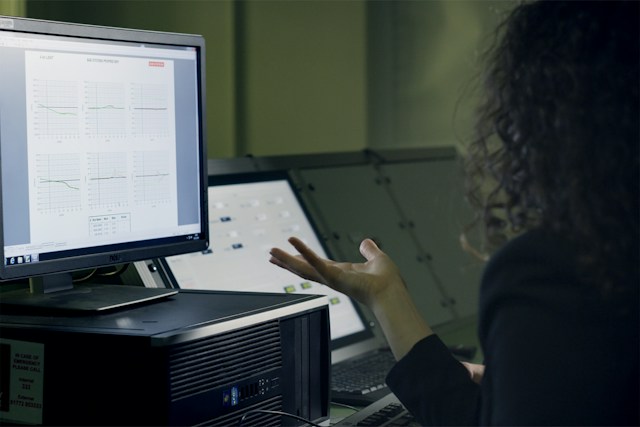
 One of the primary benefits of Managed IT Services lies in proactive monitoring. Instead of waiting for issues to arise, Managed Service Providers (MSPs) continuously monitor networks, servers, and systems. This proactive approach allows them to identify potential problems before they escalate, ensuring a swift resolution. By minimizing downtime, businesses can maintain operational efficiency and continuity.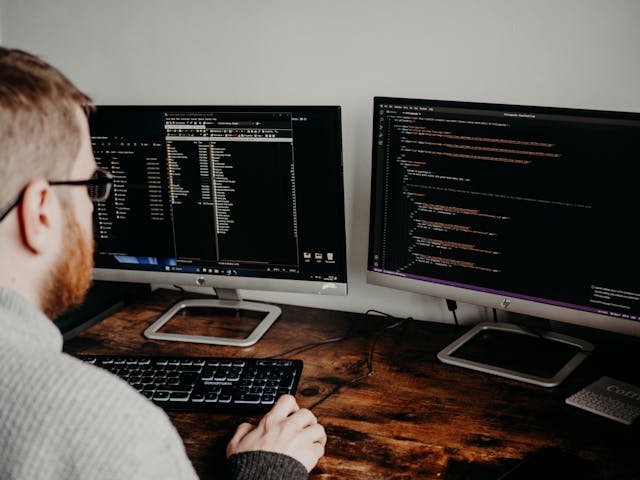



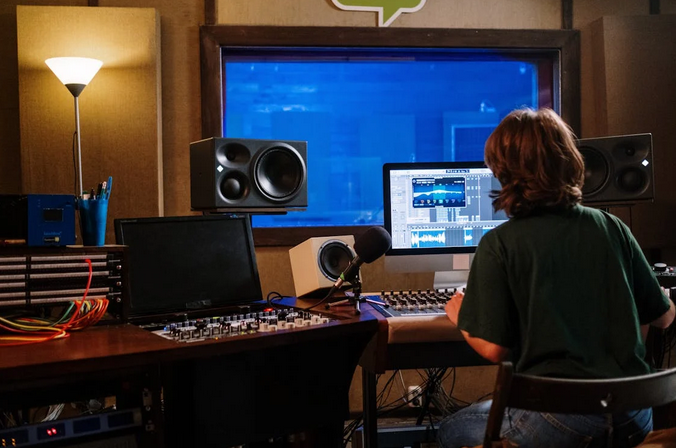
 Computer-generated music, or AI-generated music, is a relatively new technology in the music industry. AI algorithms are used to generate entire music compositions without human intervention – something that has never been possible before. Some companies are even using AI to create tracks that sound like certain artists to be used as a basis for new songs or remixes. Although there is still some debate about the validity of computer-generated music, it’s clear that this technology is here to stay and will continue to revolutionize how we make and experience music. There have been numerous breakthroughs in AI music technology over the past few years, and it will only get better. If you’re a producer or musician, it’s something to keep an eye on.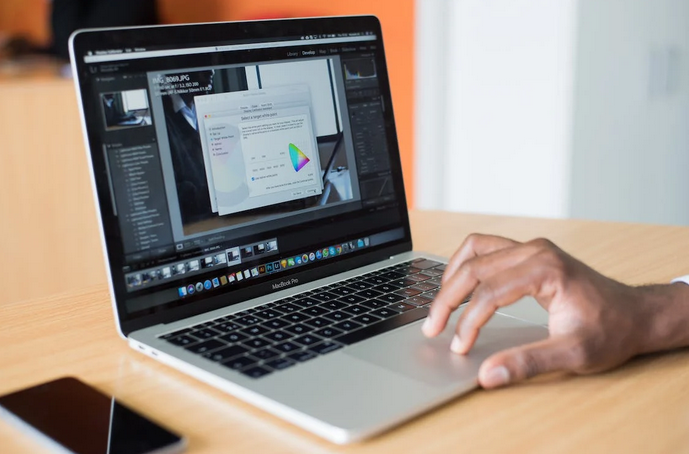
 Organizations should also consider investing in tools that can help them monitor their systems for suspicious activity. This includes regularly checking the logs of their networks and applications and using security intelligence services to detect any potential threats before they become a problem.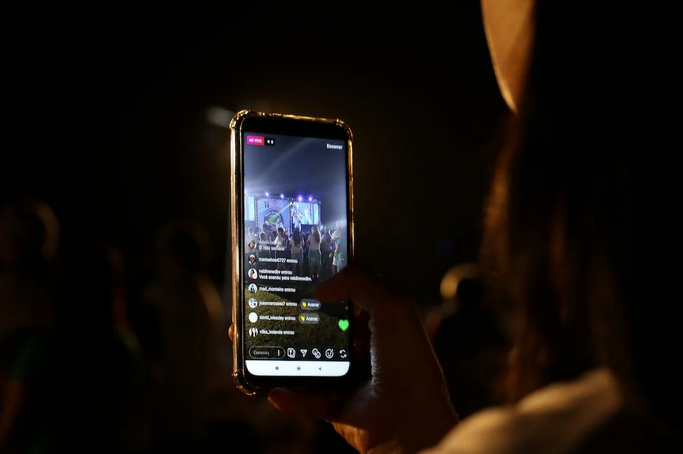
 The use of virtual reality (VR) and augmented reality (AR) is also changing how we experience events and concerts. With VR, you can experience a venue as if you were there. It means you can get an immersive view of the stage, no matter where you are.
 AI and machine learning are also used to create more personalized fan experiences. Using AI, venues can create personalized playlists based on what the person likes, making it easier to find music they will enjoy. It can also help venues target their marketing efforts toward people interested in the type of music they are playing.

 Coding can be highly challenging. But that’s part of what makes it so fun. When you’re struggling to figure out how to make your code work, it can be immensely satisfying when you finally crack the code and get it to work. Coding is like a puzzle that you get to solve over and over again. The more you code, the better you’ll become at it and the more fun you’ll have.
 One of the great things about Spotify is that they offer a way for new artists to be recognized through its curated playlists. If your music is good enough, it could end up on one of Spotify’s popular playlists, exposing you to a massive audience of potential new fans. Getting your music on a Spotify playlist is a huge accomplishment, and it can really help jumpstart your career.
 It’s important to note that many Spotify plays allow you to experiment and try new things. You can release different versions of your songs, or even entirely new songs, and see how they perform. If one of your experiments is a success, you could see a surge in popularity and an influx of new fans. Spotify is an excellent platform for artists to experiment; it can pay off in the long run. These are just a few significant benefits of having high numbers of Spotify plays. If you’re an aspiring artist, take advantage of this platform and all it offers. You could see your career take off significantly with a bit of hard work. Thanks for reading.…
 One of the most important things to consider when developing a mobile app is whether or not it’s solving a real problem. There’s no point in creating an app that doesn’t address a specific need or pain point. If your app isn’t providing value to users, it’s unlikely they’ll be willing to pay for it. Doing your research is a must to determine whether or not your app is solving a real problem. Talk to potential users and get their feedback. See if there’s a demand for the app you’re considering developing.
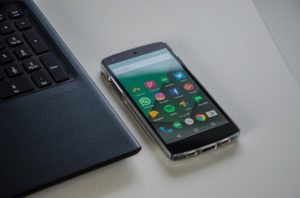 Finally, another common reason why mobile apps fail to make money is that they’re buggy and unreliable. If your app is constantly crashing or freezing, users will quickly become frustrated and delete it. And if they can’t count on your app to work correctly, they’re unlikely to want to pay for it. That’s why it’s essential to test your app thoroughly before releasing it. Try to break it and see how it responds. Get feedback from beta testers. And fix any bugs that you find. Keep these four things in mind if you’re thinking about developing a mobile app.
 Very few students consider researching for the best writing service providers. As a result, some students do not do enough research and submit poorly written papers that affect their overall grades. Therefore, if you want to score highly in your assignments and attain the best grades, consider doing extensive research online on the best homework help company. Doing deep research will help you find the best writing service provider to give you the best results.
 If the company you already chose is well-rated, the other thing to look out for is their pricing. The best homework help companies will charge a reasonable price for their services. However, companies that charge a high amount of cash do not necessarily guarantee the best service. Therefore, it is essential to choose reputable companies that charge reasonable prices for their services.
 Luckily, there is a way to counter these threats so we can surf the world wide web without being vulnerable at all times. By using a virtual private network or