
Smart cameras have transformed home security, providing real-time surveillance, remote access, and intelligent alerts. However, many homeowners struggle to use these devices to their full potential, leaving blind spots or receiving excessive notifications that dilute their usefulness. Effective monitoring with smart cameras requires thoughtful placement, configuration, and routine checks to maximize security while minimizing unnecessary alerts. By following practical strategies, you can transform a standard camera system into a reliable guardian for your home. In this article, we explore tips for using smart cameras to monitor your home effectively, helping homeowners improve security, increase awareness, and feel confident that their property is protected at all times.
Optimize Camera Placement
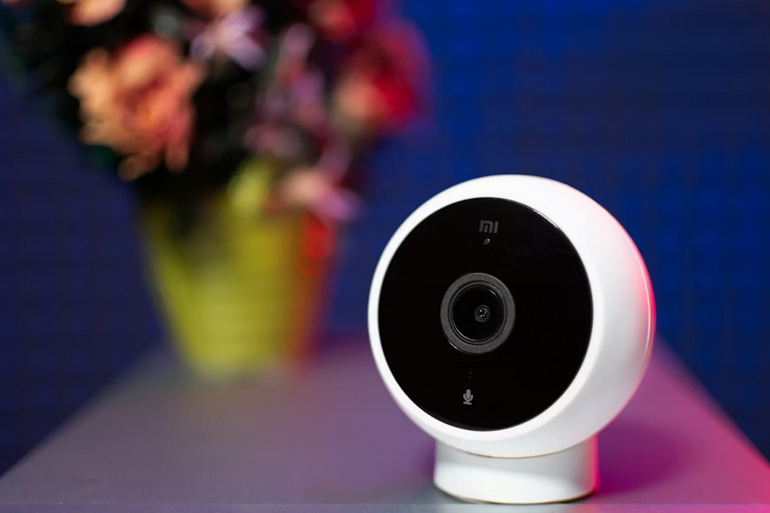
One of the most important factors in using smart cameras effectively is strategic placement. Cameras should cover entry points like doors, windows, and driveways where unauthorized access is most likely. Avoid positioning cameras in areas prone to obstructions, glare, or low visibility, as this can reduce effectiveness. High-traffic zones like hallways and main living areas can also benefit from coverage, but it’s crucial to balance surveillance with privacy concerns. Testing different angles and heights allows homeowners to capture the maximum view while minimizing the blind spots. A well-considered layout enhances security and ensures that the cameras are actually monitoring critical areas.
Adjust Motion Sensitivity and Notifications
Smart cameras often come with motion detection features that alert you to movement within a designated zone. Adjusting the sensitivity settings prevents frequent false alarms caused by passing pets, shadows, or environmental factors such as rain or wind. Some systems allow you to create activity zones to monitor only the most relevant areas, reducing unnecessary notifications. Configuring alerts effectively ensures you receive timely warnings of real threats without being overwhelmed by constant, irrelevant updates. Properly managing motion sensitivity helps maintain vigilance and prevents homeowners from ignoring alerts due to frequent false triggers.
Maintain Consistent Monitoring and Updates
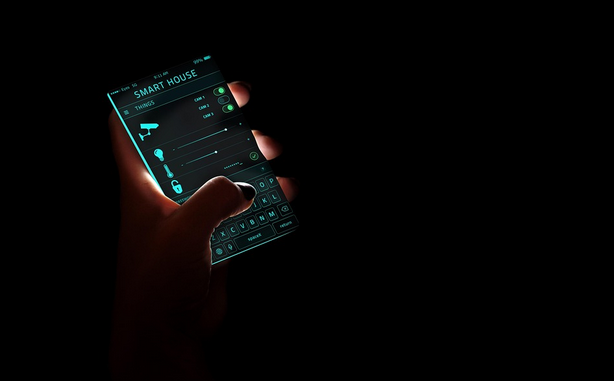
Even the best smart camera setup can fail if it is not consistently monitored and updated. Regularly checking the live feed and reviewing recorded footage allows homeowners to detect unusual activity or patterns that may otherwise go unnoticed. Additionally, software updates are essential to fix bugs, improve performance, and maintain security against potential cyber threats. Ensuring cameras have the latest firmware enhances functionality and keeps the system reliable. Scheduling periodic reviews and system checks supports continuous monitoring, giving homeowners confidence that their cameras are functioning as intended and capturing critical moments.
Integrate with Other Security Measures
Smart cameras are most effective when used as part of a comprehensive home security strategy. Integration with alarms, smart locks, or lighting systems increases the overall protective capacity of your property. For example, linking cameras with door sensors can trigger recordings when a door opens unexpectedly, while connecting to smart lights can deter intruders by simulating occupancy. Using automation and interconnected devices allows homeowners to respond promptly to incidents, combining real-time surveillance with proactive deterrence. This integration maximizes the value of smart cameras and contributes to a safer, more responsive security setup.
Protect Privacy and Secure Access
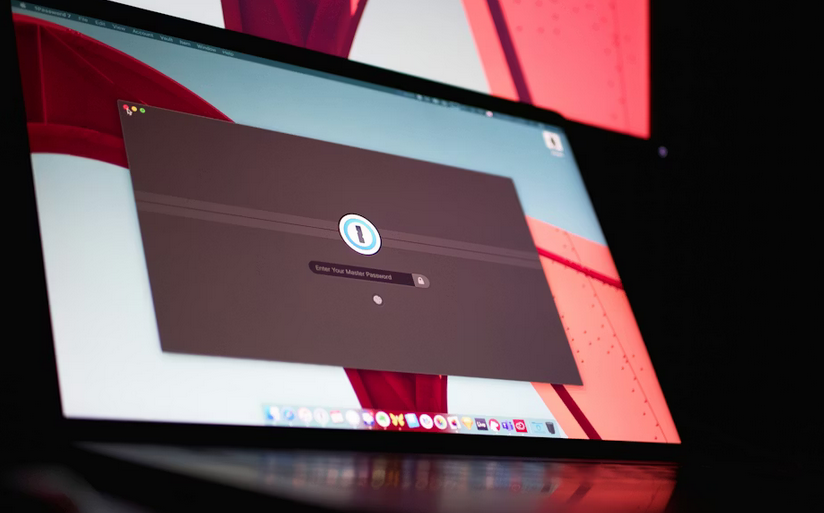
While smart cameras provide extensive surveillance capabilities, it’s vital to safeguard access to the system. Using strong, unique passwords, enabling two-factor authentication, and controlling other user permissions reduces the risk of unauthorized access. Avoid sharing camera credentials unnecessarily, and be cautious when connecting devices to public networks. Homeowners should also consider camera placement in private areas to maintain personal privacy. Taking these precautions protects both your property and personal information while allowing the cameras to operate effectively. Security is not limited to physical threats; digital safety is equally critical in a connected home environment.
Using smart cameras effectively requires a combination of thoughtful placement, careful configuration, and consistent maintenance. Optimizing positions, adjusting motion sensitivity, monitoring systems, integrating with other security devices, and protecting access all contribute to a more secure home environment. By applying these strategies, homeowners can enjoy the benefits of real-time surveillance, increased situational awareness, and peace of mind. Consistent attention and thoughtful adjustments help maximize the efficiency of smart cameras, transforming them into a reliable and integral part of your home security system.…